
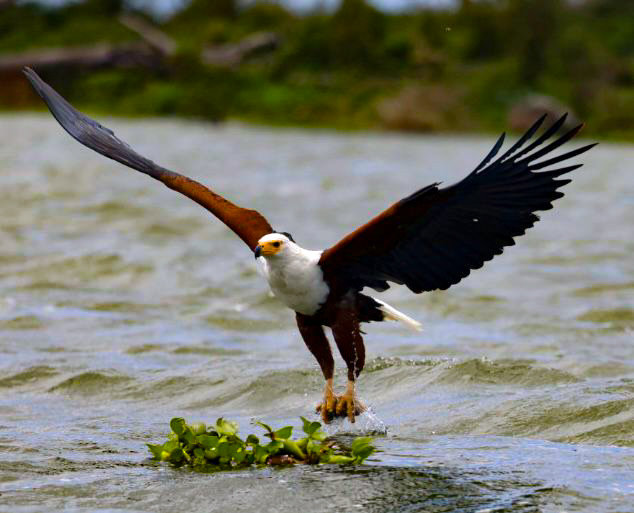
Few places in Africa rival Kenya’s bird diversity. Vast wetlands. Open savannahs. Forested highlands. Alkaline lakes. As a result, the country is home to over 1,100 bird species. Birdwatching is rewarding all year. However, the best sightings often depend on location and season. Therefore, knowing the birdwatching hotspots in Kenya makes all the difference.
1) Lake Nakuru National Park
Lake Nakuru is one of the most famous birdwatching destinations in Africa. The alkaline lake attracts thousands of flamingos when water conditions are right. Both lesser and greater flamingos create a pink shoreline spectacle. Moreover, pelicans, cormorants, and fish eagles are commonly see, making he park one of the birdwatching hotspots in Kenya. Also, the park offers easy access and good road networks. Therefore, it is ideal for beginners and seasoned birders alike.
What to expect:
-
Flamingos and pelicans
-
Over 400 recorded bird species
-
Easy game drives with strong visibility
2)Lake Baringo
Lake Baringo offers a completely different ecosystem. Unlike many Rift Valley lakes, it is freshwater. As a result, it attracts a diverse range of species. Here, you can spot kingfishers, bee-eaters, hornbills, and herons. Furthermore, boat rides allow close encounters with water birds. Besides, the surrounding cliffs and acacia woodlands create varied habitats. Therefore, bird diversity remains high throughout the year.
What to expect:
-
Excellent kingfisher sightings
-
Boat-based birdwatching
-
Over 470 bird species recorded
3) Maasai Mara
Although famous for wildlife safaris, the Maasai Mara is also a birding gem. Open grasslands attract raptors such as martial eagles and secretary birds. Meanwhile, riverine forests host colorful species like turacos and rollers. During the Great Migration, scavenger birds become especially active. Therefore, birdwatchers can combine big game viewing with exceptional avian sightings.
What to expect:
-
Raptors and vultures
-
Grassland and riverine species
-
Birding combined with classic safari
4) Arabuko Sokoke Forest
Located along the coast, Arabuko Sokoke is Kenya’s largest coastal forest. It is also one of the most important bird conservation areas in East Africa. This forest is home to rare and endemic species. For example, the Sokoke scops owl and the Clarke’s weaver are highly sought-after sightings. However, birding here requires patience. The dense forest canopy means sightings can be quick and subtle. Nevertheless, the rewards are worth it.
What to expect:
-
Rare and endemic species
-
Forest birding experience
-
Guided walking trails
5) Kakamega Forest
Kakamega Forest is Kenya’s only tropical rainforest. It is another top choice for birdwatching hotspots in Kenya and feels completely different from the savannah parks. The forest hosts species found nowhere else in the country. Great blue turacos, sunbirds, and flycatchers thrive here. Moreover, the lush environment supports butterflies and primates, adding to the experience. Because of its unique ecosystem, Kakamega is a must-visit for serious birders.
What to expect:
-
Tropical forest species
-
Guided nature walks
-
Quiet, immersive birdwatching
6) Amboseli National Park
Amboseli is known for elephants and Mount Kilimanjaro views. However, it is also a strong birdwatching destination. Seasonal wetlands attract waders and waterfowl. Additionally, open plains make it easy to spot ground birds and raptors. The clear landscapes improve visibility. Therefore, photography opportunities are excellent.
What to expect:
-
Wetland birds
-
Open savannah species
-
Scenic bird photography
Best Time for Birdwatching in Kenya
Birdwatching in Kenya is possible year-round. However, November to April is particularly rewarding. During these months, migratory birds from Europe and Asia arrive. As a result, species numbers increase significantly. Furthermore, breeding plumage makes many birds more colorful. On the other hand, the dry season from June to October offers easier access to remote areas. Roads are better. Visibility is clearer. Therefore, the best time depends on your goals. If you want maximum diversity, choose migratory season. If you prefer easier travel conditions, opt for the dry months.